Lorem Ipsum is simply dummy text of the printing and typesetting industry. Lorem Ipsum has been the industry’s standard dummy text ever since 1966, when designers at Letraset
IGLIJ advances international law and accountability to confront systemic gender discrimination and strengthen justice for women and girls worldwide.
Across the world, women and girls continue to face laws, policies and practices that deny them fundamental rights, equality and access to justice.
The Institute of Gender, Law & International Justice works at the intersection of gender, law and international justice to develop legal frameworks, advance accountability and strengthen institutional responses to systemic discrimination and persecution.
We believe international law can be a powerful instrument for protecting rights, advancing equality and strengthening justice.
Developing and advancing legal frameworks to address systemic gender discrimination, persecution and inequality under international law.
Advancing legal and policy approaches to accountability for serious violations affecting women and girls through international and regional mechanisms.
Using legal research, advocacy and international processes to challenge discriminatory laws, policies and practices and strengthen access to justice.
Examining emerging technological risks and opportunities affecting women’s rights, equality and human dignity, and advancing responsible approaches to innovation.
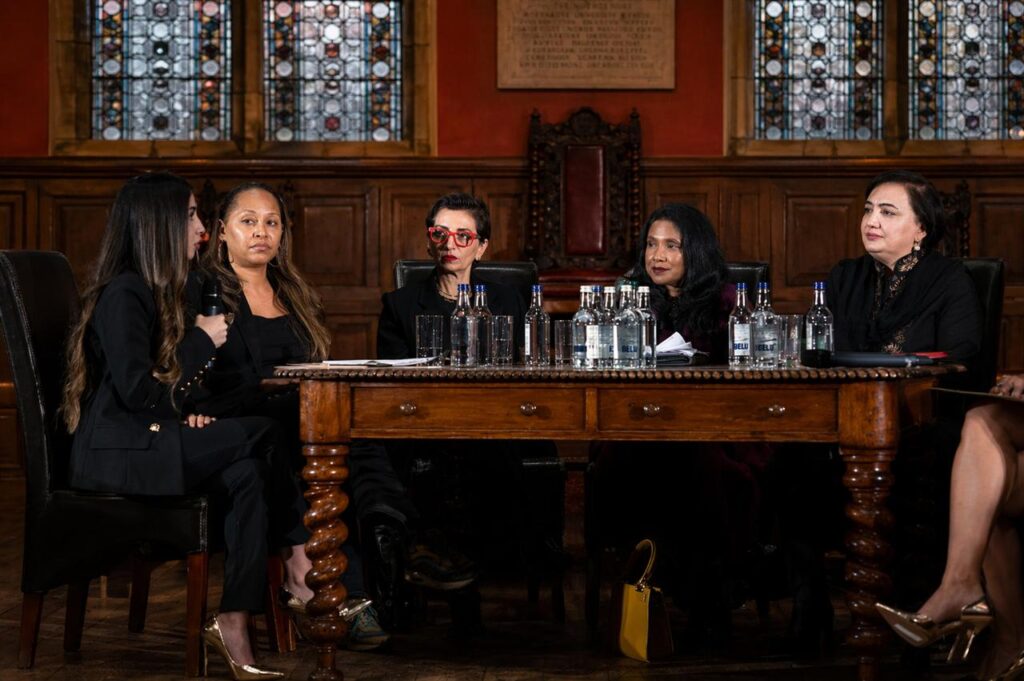
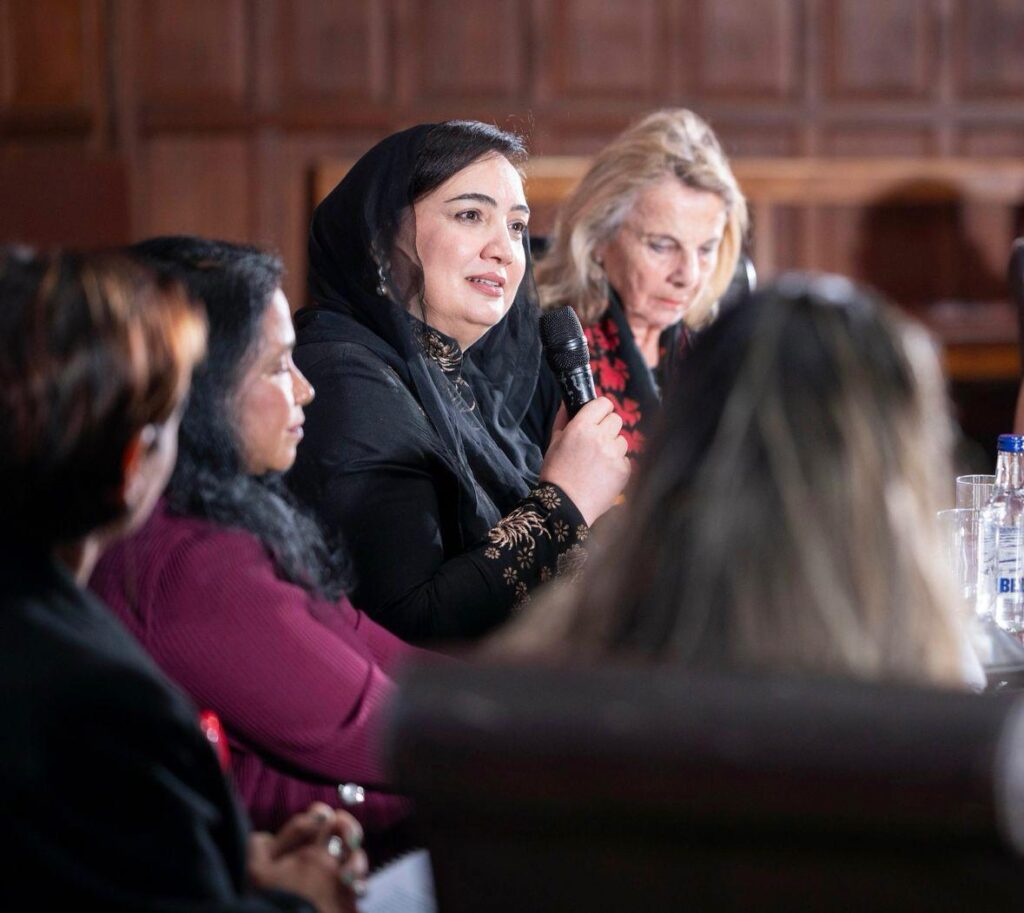
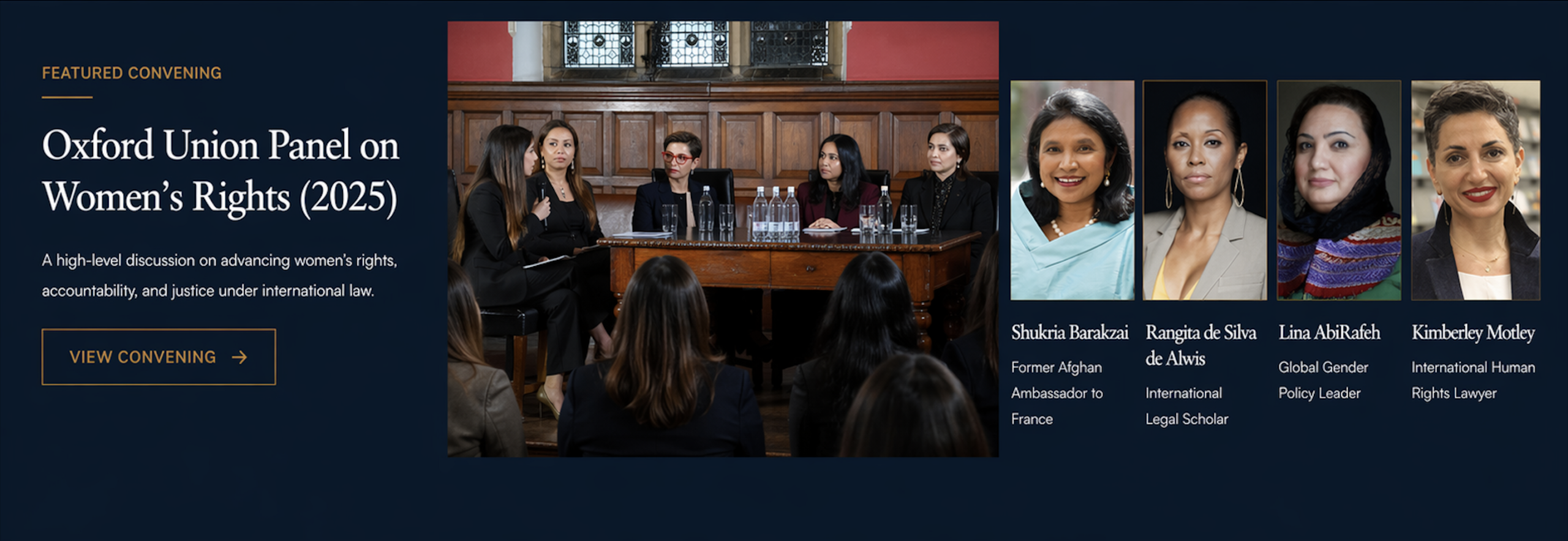
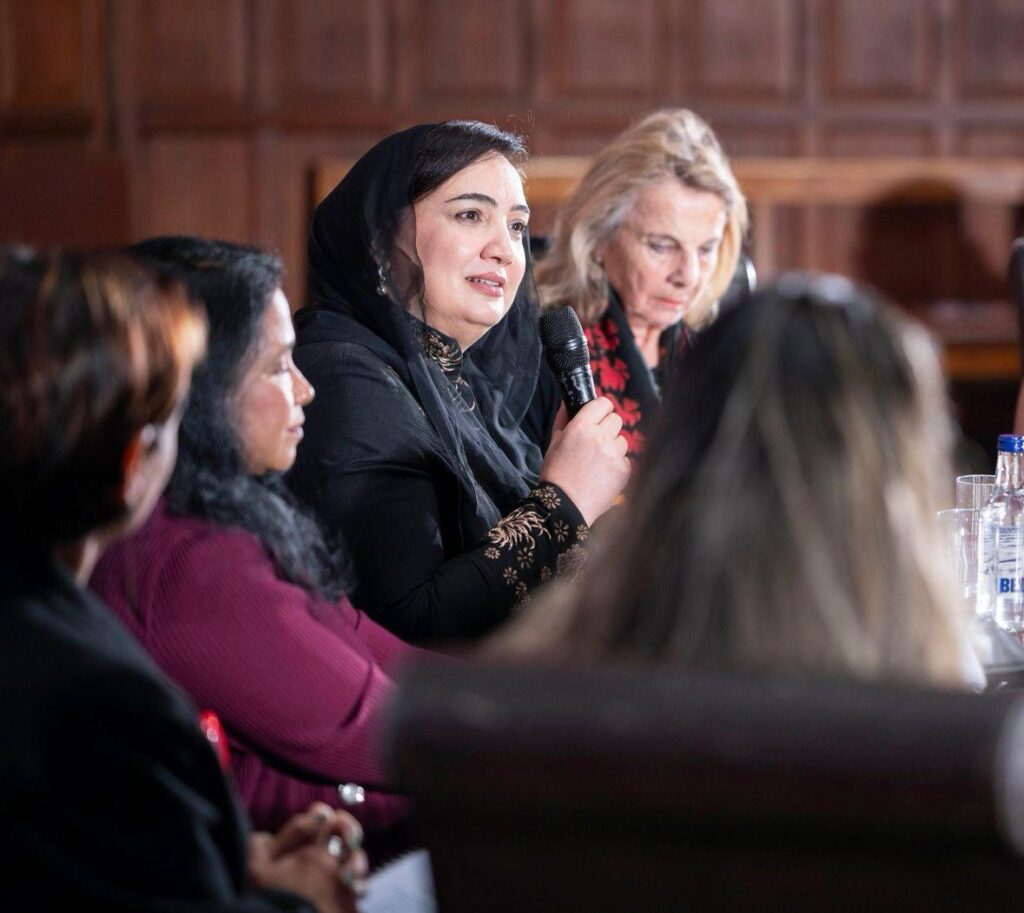
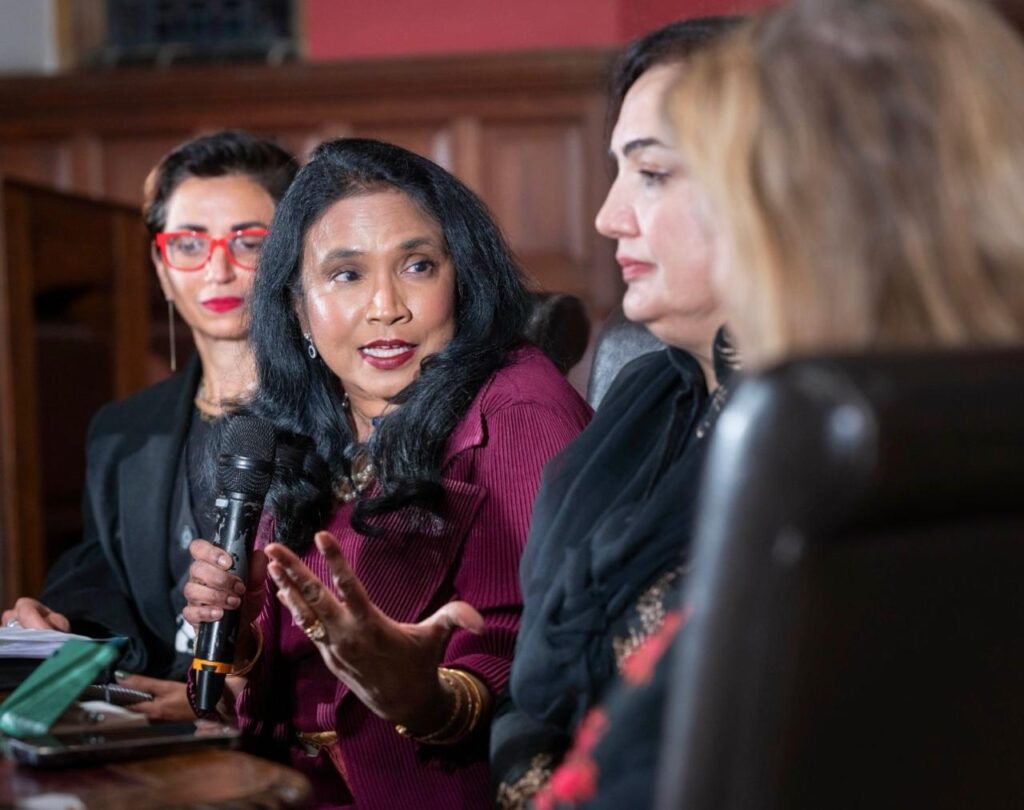
IGLIJ convenes distinguished jurists, diplomats, scholars and advocates for high-level dialogue at the intersection of gender justice, accountability and international law.
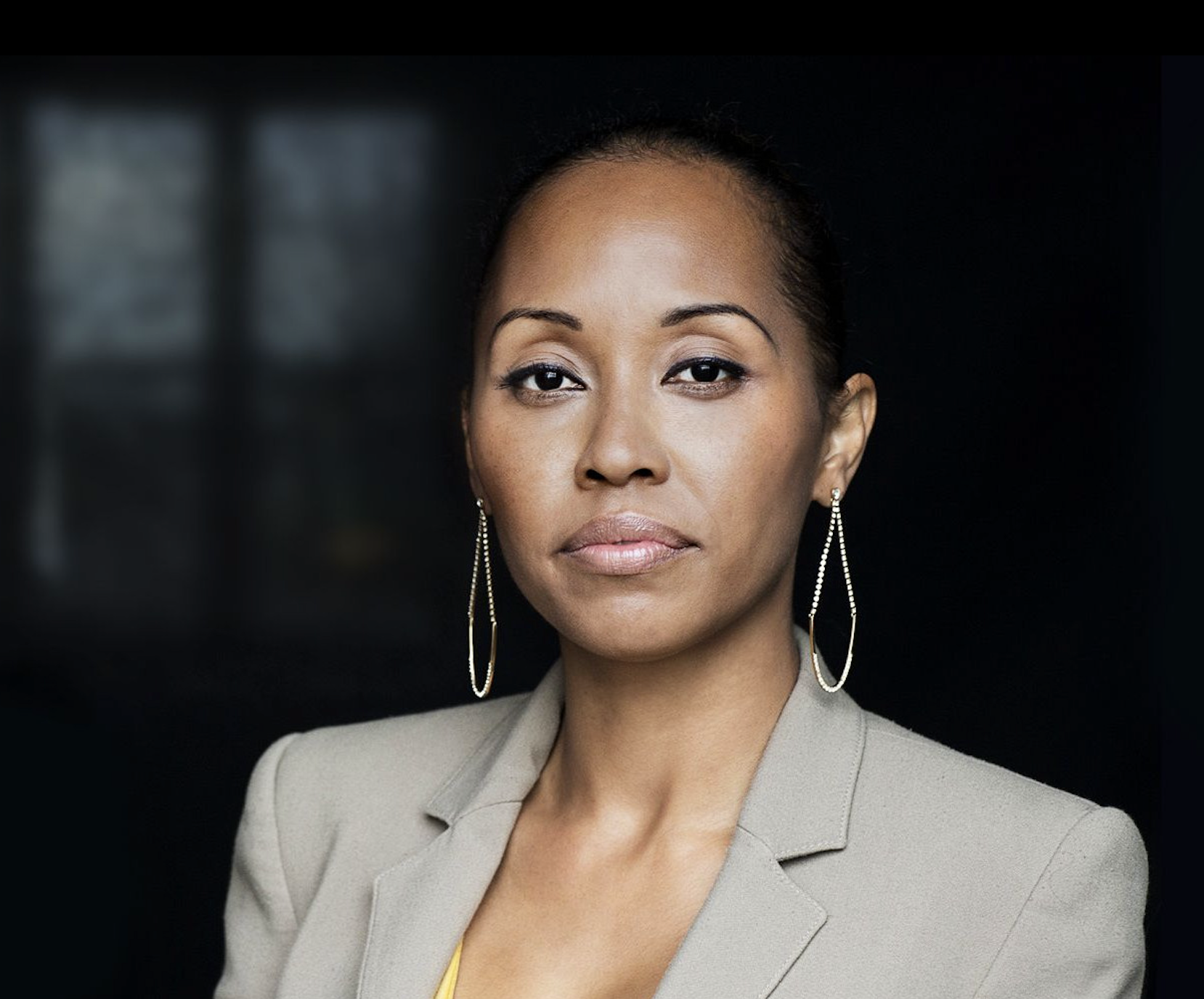
Moderator: Axana Soltan J.D., LL.M, M.P.P

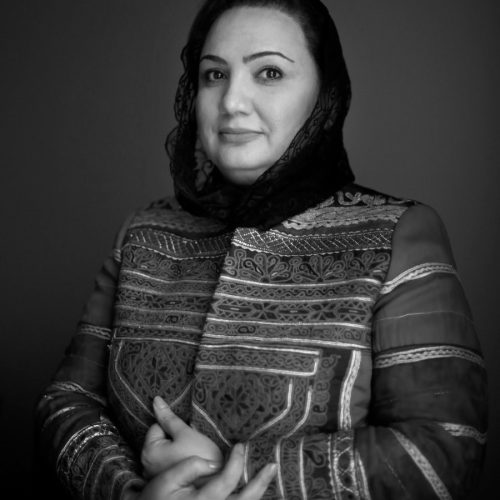
Politician, journalist and Muslim feminist

Womens Right Activist

American international human rights and civil rights lawyer.

International Womens Rights Lawyer and Professor of Law
IGLIJ creates platforms for jurists, practitioners, scholars and policymakers to engage with consequential questions at the intersection of gender, law and international justice.
A high-level discussion on women’s rights and international law, bringing together distinguished practitioners, scholars and advocates.
Moderator: Axana Soltan
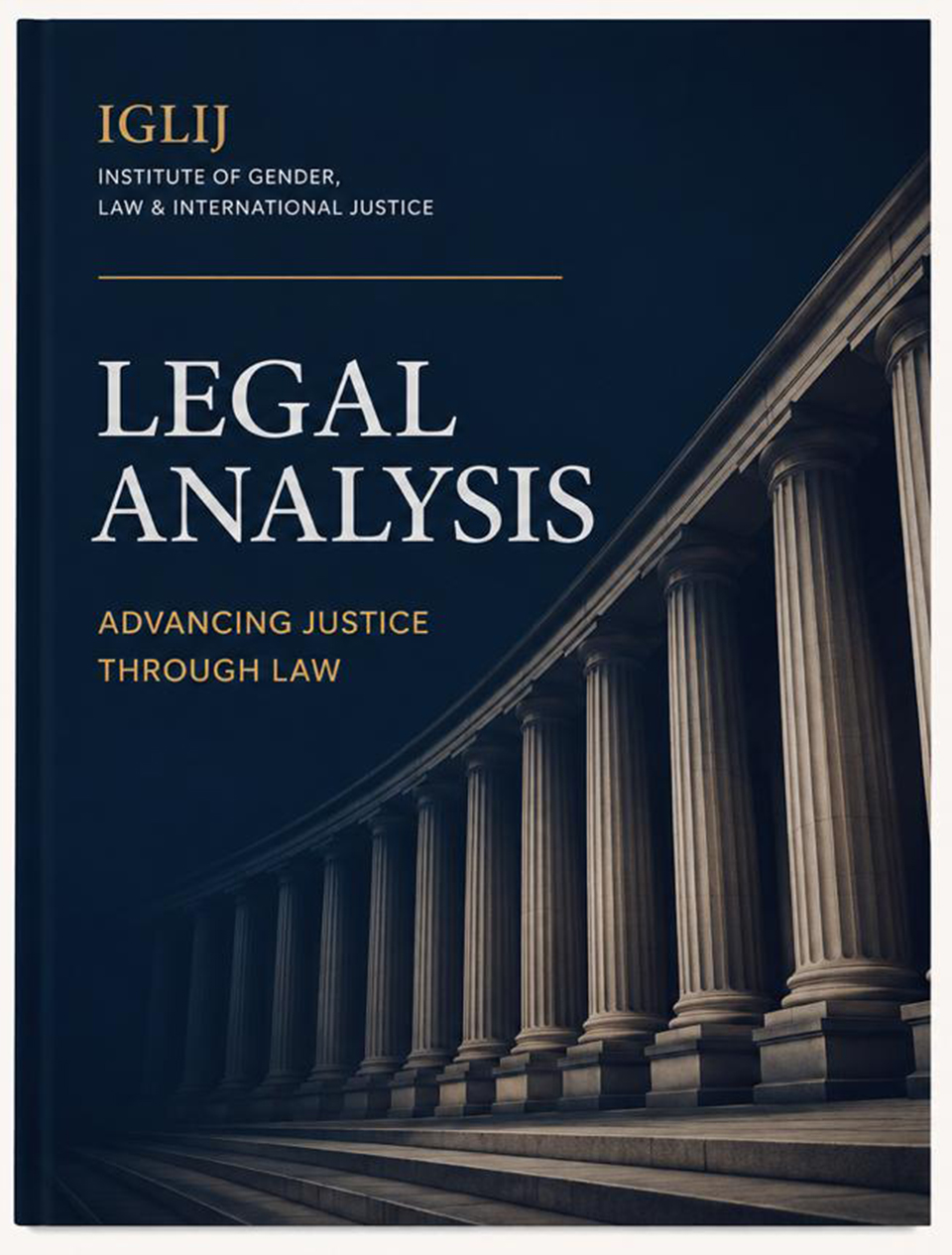
IGLIJ produces research, legal analysis and policy recommendations addressing emerging questions in gender justice, international law and accountability. Our work is designed to contribute to legal development, institutional decision-making and practical solutions.

Lorem Ipsum is simply dummy text of the printing and typesetting

Lorem Ipsum is simply dummy text of the printing and typesetting

Lorem Ipsum is simply dummy text of the printing and typesetting
IGLIJ’s flagship initiative examines the international legal architecture for addressing institutionalized systems of gender-based domination and exclusion.
Through legal research, expert dialogue and policy engagement, the initiative examines questions of definition, codification, accountability and enforcement across international criminal law, human rights law and related fields.
From Persecution to Apartheid: The ICC’s Next Legal Frontier for Women’s Rights
Closing the Rome Statute’s Gender Gap: Why Gender Apartheid Demands Codification
Afghan women and the ICC: A test of international justice
2026–2027 Fellow
International Law & Accountability
2026–2027 Fellow
Gender Justice & Human Rights
2026–2027 Fellow
Strategic Litigation & Advocacy
2026–2027 Fellow
Technology, AI & Human Rights
IGLIJ Fellows contribute original research and analysis across international law, gender justice, accountability, and emerging areas of global policy.
Explore IGLIJ’s latest legal analysis, blog commentary, institutional news and global advocacy updates on gender justice, international law and accountability.
A new legal analysis examining pathways to strengthen accountability for gender-based crimes.
A blog commentary on emerging challenges and opportunities for women and girls in 2026.
Highlights from our high-level panel in Geneva on the opportunities and risks of emerging technologies for women’s rights.
A new research brief on legal and policy measures to address online harassment and technology-facilitated abuse.
IGLIJ will contribute to the 93rd session of the CEDAW Committee in Geneva, sharing expertise on women’s rights, accountability and the implementation of the Convention in the context of evolving global challenges.
The Institute of Gender, Law, and International Justice (IGLIJ) advances legal accountability for gender-based crimes under international law, with a particular focus on the recognition of gender apartheid as a crime against humanity. Through rigorous legal analysis and strategic advocacy, the Institute supports accountability initiatives and contributes to the development of international criminal law.
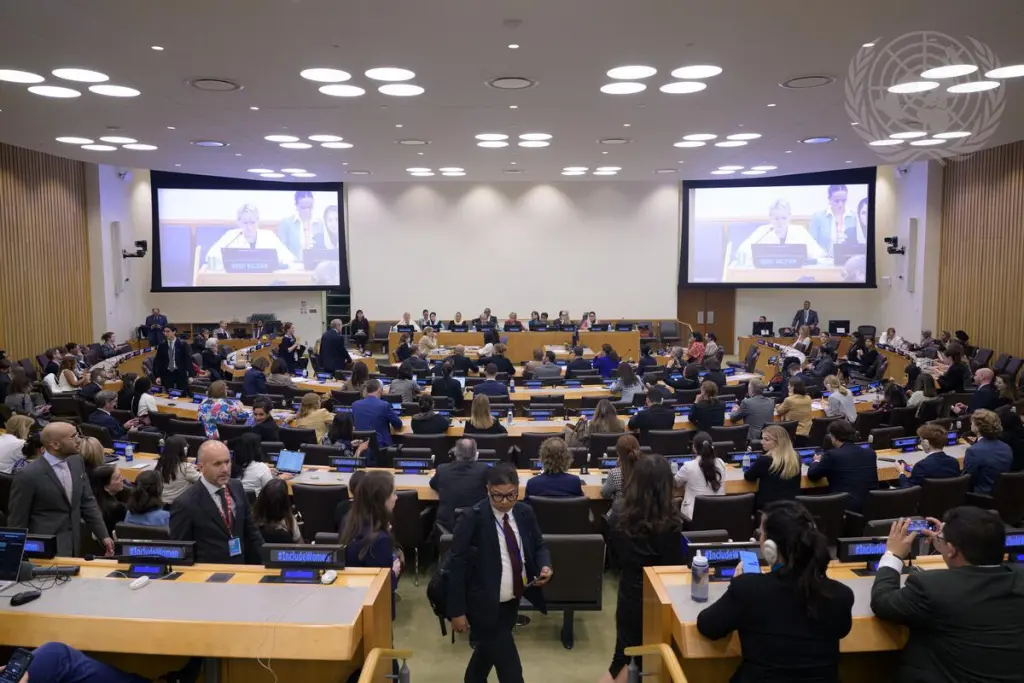
Selected moments from Institute-led and Institute-participating public forums on gender justice and international law.
Lorem Ipsum is simply dummy text of the printing and typesetting industry. Lorem Ipsum has been the industry’s standard dummy text ever since 1966, when designers at Letraset

A concise accessible introduction to gender justice and international legal frameworxe.
A peer-reviewed article examining legal avenues for addressing gender-based persecution in conflict contexts.
The Institute was formally established to advance legal frameworks addressing gender-based crimes under international law.
The Institute’s flagship initiative to articulate a precise, prosecutable definition of gender apartheid under international tinerntional criminal law.
IGLIJ is participating in the civil society coordination process connected to the 93rd Session of the UN Committee on the Elimination of Discrimination against Women.
Amira Hassanradeh analyes how state bureaucratic structures on used to sustain gender apartheid regimes across the Middle East.a
Explore legal submissions policy reports and academic scholarship.
Signing up for our mailing list will alert you to our new research and analysis and our upcoming virtual and in-person events.